
Complete Blood Count (CBC)
Full Lab Name
Abbreviations
LOINC Code
CPT Code
Methodology
Tube Color
Specimen Type
Minimum Volume
Turnaround Time
Relative Cost
When to Order
Universal screening, pre‑operative evaluation, infection workup, anaemia evaluation, monitoring of chemotherapy.
When NOT to Order
Do not order routinely in healthy, asymptomatic adults (Choosing Wisely).
EBM Statistics
WBC sensitivity for infection ~60%, specificity ~80% (varies with age and cause).
Reflex Testing
If WBC > 20,000 or < 2,000, manual differential and haematology review are reflexively performed.
Algorithmic Next Steps
- If anaemia present → check MCV, reticulocyte count, iron studies.
- If thrombocytopenia → review blood film, consider ITP / DIC.
Biomarker Kinetics
Neutrophils: peak 4‑10 hours after bacterial infection. Lymphocytes: decrease in acute stress, increase in viral infections.
Conventional Unit
SI Unit
Conversion Factor
Reference Ranges
| Demographic / Condition | Normal Range |
|---|---|
| Adult Male | Range: WBC 4.5‑11.0 × 10⁹/L, Hb 13.5‑17.5 g/dL, Platelets 150‑400 × 10⁹/L |
| Adult Female | Range: Hb 12.0‑15.5 g/dL |
Pregnancy Adjustments
Physiological dilutional anaemia of pregnancy: Hb decreases by ~2 g/dL. WBC may rise up to 15,000.
Critical Values
Physiology
The CBC quantifies red blood cells (oxygen transport), white blood cells (immune defence), and platelets (haemostasis).
Causes of Elevation
Leukocytosis: infection, inflammation, steroids, leukaemia, stress.
Erythrocytosis: dehydration, polycythaemia vera, chronic hypoxia.
Thrombocytosis: iron deficiency, infection, myeloproliferative disorders.
Causes of Decrease
Leukopenia: viral infection, chemotherapy, aplastic anaemia.
Anaemia: iron deficiency, B12/folate deficiency, haemolysis, chronic disease.
Thrombocytopenia: ITP, DIC, heparin‑induced, marrow failure.
Critical Action Protocol
Critical thrombocytopenia (<20k): platelet transfusion, avoid IM injections, fall precautions.
Fasting & Prep
No fasting required.
Timing Rules
Routine Collection
Standard venipuncture. Gently invert tube 8‑10 times. Do not shake. Keep at room temperature.
Complex Draw
For difficult veins, consider warming the site. Avoid prolonged tourniquet (haemoconcentration).
Storage & Transport
Transport within 4 hours at room temperature. If longer, refrigerate but bring to room temp before analysis.
Rejection Criteria
Clotted specimen, insufficient volume, haemolysis (if affecting indices).
Drug Interferences
Heparin can cause platelet clumping → falsely low platelet count.
Diagnostic Visuals
Lab Template
Peripheral Smear Morphology
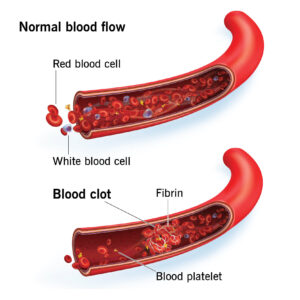
Normal RBC: round, central pallor. WBC: neutrophils with segmented nucleus. Platelets: small anucleate fragments.
Pearls & Pitfalls
- Always correlate with clinical picture – a normal WBC does not rule out severe infection.
- Spurious thrombocytopenia due to EDTA‑dependent platelet clumping; repeat in citrate tube.
Board Focus
MCV is key to classify anaemia: microcytic (<80 fL) → iron deficiency, thalassaemia; macrocytic (>100 fL) → B12/folate deficiency.